Spring fieldwork underway across large parts of Sweden – high input costs and global uncertainty put pressure on profitability
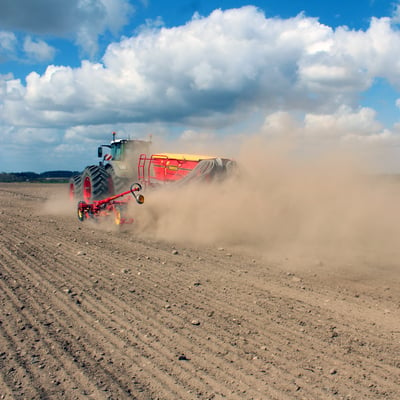
In southern Sweden, spring fieldwork was completed around the turn of April/May. Some potato planting is still ongoing, but this work is also expected to be completed shortly. Farmers are now focusing on fertilization and maintaining crop health. After a prolonged period without precipitation, rainfall has finally arrived, strengthening the conditions for realizing the existing yield potential. The area of autumn‑sown crops was extensive ahead of winter, and in southern Sweden crops have generally overwintered well.
In western Sweden, harsh winter conditions have had the greatest impact, with severe cold, bare ground and strong winds damaging mainly winter wheat and winter oilseed rape. Cold and windy weather combined with little or no snow cover has meant that a large share of early autumn‑sown wheat has not survived the winter. Where fields are too heavily damaged, crops need to be replaced with spring‑sown alternatives, resulting in additional costs and lower yield potential.
In eastern Sweden, winter conditions have been less severe than in the western parts of the country, although winter damage has been reported in winter wheat in parts of Södermanland. On Gotland, winter damage has also occurred, mainly affecting autumn‑sown durum wheat. Fertilizer application to autumn‑sown crops was completed before Easter, and spring sowing is now largely completed or in its final stages.
In central Sweden, the overall picture is mixed, with winter damage occurring to varying degrees. In some areas, spring fieldwork is essentially completed. Recent rainfall in several regions has been crucial for how crops are expected to develop going forward.
In northern Sweden, development remains more cautious. Here, spring fieldwork is largely governed by soil temperature, drying conditions and local weather patterns. As a result, regional differences are expected to remain significant in the near term, particularly between coastal areas and inland regions.
“The situation clearly differs between regions. In western Sweden and the Mälaren Valley, winter conditions have had the greatest impact on crops. Further north, development is more cautious due to the northern climate, but with improved weather there are good conditions for spring fieldwork to gain momentum in more areas. The rainfall we received yesterday and today has been welcome, but there is still a precipitation deficit across large parts of the country,” says Johannes Åkerblom, Director Arable Business at Lantmännen.
A challenging starting point
At the same time, many farmers are entering the harvest season with a challenging financial starting point. Fertilizer and fuel are two of the most important inputs in crop production, and both are highly sensitive to increased global uncertainty.
“Many Swedish farmers are facing tight margins. When costs for fertilizer, fuel and other inputs rise faster than revenues, profitability for cereal growers is put under pressure. This affects not only individual farms, but ultimately also Swedish food production and national preparedness,” says Patrik Myrelid, Director Group Strategy at Lantmännen.
For more information, please contact:
Lantmännen's Press Office
Tel: +46 10 556 88 00
E-mail: press@lantmannen.com