Menu
Shortcuts
Lantmännen
Lantmännen is an agricultural cooperative owned by Swedish farmers and is Northern Europe's leading player in agriculture, machinery, bioenergy and food.
Agriculture
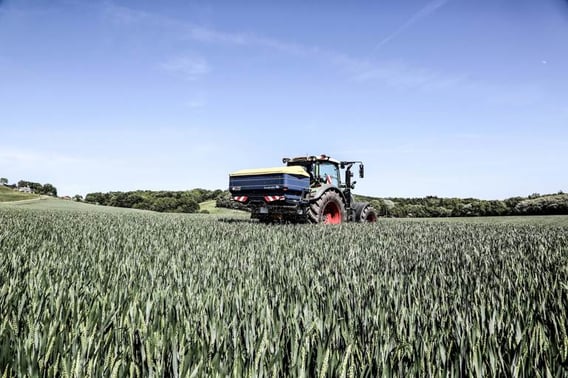
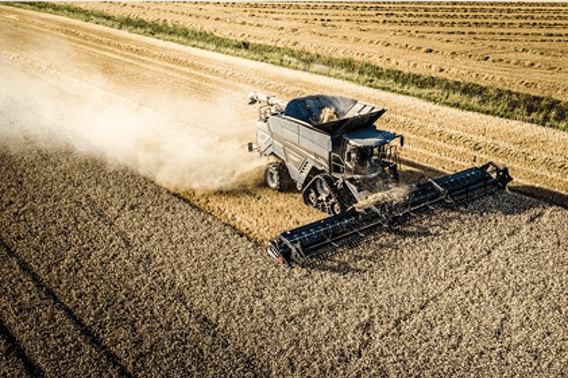
Offers products and services for a strong and competitive agriculture. Imports, markets, sells and maintains agricultural machinery.
Machines
Imports, markets, sells and maintains agricultural machinery.
Energy
Harnessing the power of nature to create smart, climate-friendly energy solutions. Offers biofuels, feed and raw materials that make a difference for both customers and the climate.
Food
Offers tasty, safe and sustainable products with some of the Nordic region's most beloved brands. Develops foods that simplify everyday life and meet the needs of the future.

From field to fork
Lantmännen is an agricultural cooperative and Northern Europe's leading player in agriculture, machinery, bioenergy and food. Lantmännen is owned by 17,000 Swedish farmers with operations throughout the value chain from field to fork.
Our digital tools
-
LM²
This digital tool is aimed at you as a farmer. Here you buy grain, perform checkout services, order feed and spare parts for your machines and much more. Works just as well on mobile as on desktop.
More about LM2 -
The Lantmännen card
The Lantmännen card is for those who are active in the green industries, and shop at about 40 million places globally. Fuel discounts at almost 2000 stations in Sweden.
Log in -
E-capital account
Lantmännen Finans savings account gives you good interest from the first krona, unlimited withdrawals and no fees. Here you can log in/open an e-capital account (savings account) with BankID.
Log in e-capital account
About us
Our companies
Career
Our owners
Sustainable development
Research & innovation
Farming of the future
Climate & Nature
Good food
Harvest

Food protection
Identity Manual and Sponsorship
Chef of the Year
Privacy Policy
Cookie policy
404
Search
Contact persons: District
Author
Contact persons: Research Foundation
Contacts: Greenhouse
Contacts
- The Lantmännen way
-
Our divisions
-
Board of Directors and Group Management
-
Financial information
- Newsroom
- Our history
-
Contact us
- Current job openings
- Our employee offer
- Development paths
- Employee testimonials
-
Students
-
Membership
-
Districts and Activities
- Lantmännen's Annual General Meeting
- Contact the Membership Division
- The cooperative
- Ambassador Program
-
Environment
-
Social responsibility
- Responsible business
- Collaborations
-
Important issues
-
The Research Foundation
- Cerealier
- Innovation work
- Reports and publications
-
Farm of the Future
- Collaboration
-
How the program works
- Ten years of Climate & Nature
-
Four grains
- Our food products
-
Health
- Alarik Sandrup
- Anders Lindgren
- Anna Lidström
- Antti Snellman
- Carl-Johan Bertilsson
- Cecilia Lindahl
- Claes Johansson
- Desirée Börjesdotter
- Elin Martinsson
- Elina Matsdotter
- Elisabeth Ringdahl
- Emilia Liljeström
- Helena Fredriksson
- Johan Nilsson
- Johan Wågstam
- Johanna Taflin
- Johannes Åkerblom
- Kajsa Öhman
- Lea Rankinen
- Lennart Nilsson
- Lennart Smedjevik
- Linnea Heiskala
- Lova Brodin
- Magnus Kagevik
- Marie Malmqvist
- Marleen van der Wende
- Mikko Savinko
- Patrik Myrelid
- Per Arfvidsson
- Per Lindahl
- Per-Johan Lööf
- Peter Annas
- Roberth Kihlin
- Richard Bengtsson
- Thomas Isaksson
- Tuomas Mantere
- Ulrica Björnhag
- Åse Arnbratt
- Sophia Wassen
- Annelie Moldin
- Pär-Johan Lööf
- Helena Fredriksson
- Nina Tuomikangas
- Jakob Söderström
- Martin Fornander
- Karin Arkbåge
- Anna Månsson
- Hans Westbom
- Tina Sandell
- Cathrine Hannell
- Stina Nilsson
- Alarik Sandrup
- Niclas Karnhill
The Lantmännen way
Our divisions
Board of Directors and Group Management
Financial information
Newsroom
Our history
Contact us
Current job openings
Our employee offer
Development paths
Employee testimonials
Students
Membership
Districts and Activities
Lantmännen's Annual General Meeting
Contact the Membership Division
The cooperative
Ambassador Program
Environment
Social responsibility
Responsible business
Collaborations
Important issues
The Research Foundation
Cerealier
Innovation work
Reports and publications
Farm of the Future
Collaboration
How the program works
Ten years of Climate & Nature
Four grains
Our food products
Health
Alarik Sandrup
Anders Lindgren
Anna Lidström
Antti Snellman
Carl-Johan Bertilsson
Cecilia Lindahl
Claes Johansson
Desirée Börjesdotter
Elin Martinsson
Elina Matsdotter
Elisabeth Ringdahl
Emilia Liljeström
Helena Fredriksson
Johan Nilsson
Johan Wågstam
Johanna Taflin
Johannes Åkerblom
Kajsa Öhman
Lea Rankinen
Lennart Nilsson
Lennart Smedjevik
Linnea Heiskala
Lova Brodin
Magnus Kagevik
Marie Malmqvist
Marleen van der Wende
Mikko Savinko
Patrik Myrelid
Per Arfvidsson
Per Lindahl
Per-Johan Lööf
Peter Annas
Roberth Kihlin
Richard Bengtsson
Thomas Isaksson
Tuomas Mantere
Ulrica Björnhag
Åse Arnbratt
Sophia Wassen
Annelie Moldin
Pär-Johan Lööf
Helena Fredriksson
Nina Tuomikangas
Jakob Söderström
Martin Fornander
Karin Arkbåge
Anna Månsson
Hans Westbom
Tina Sandell
Cathrine Hannell
Stina Nilsson
Alarik Sandrup
Niclas Karnhill
- Agriculture Division
- Energy Division
- Food Division
- Real estate Division
- Lantmännen's international owmnership
- Board
- Group Management
- Nomination committee
- External Auditors
- Internal audit
- Financial reports
- Green financing
- Subordinated debentures
- Supplier portal
- The trainee program
- Summer internship
- Become a member
- Transfer and withdrawal
- Contributions and Dividends
- Calculator
- Emissions trading
- Elected representatives
- Southern Skåne
- Northwest Skåne
- Kristianstad-Blekinge
- Halland
- Kronoberg
- Kalmar-Öland
- Highlands
- Western Sweden
- Skaraborg
- Gotland
- Östergötland
- Sörmland
- Uppland
- Örebro-Värmland
- Dala-Aros
- Gävleborg
- Västernorrland
- Jämtland
- Västerbotten
- Norrbotten
- Climate
- Biodiversity
- Circular economy
- Collaborator
- Food safety, health and nutrition
- Manpower
- Circular economy
- Organic and conventional
- Plant nutrients
- Soya
- Water
- GMOs/Genetic Engineering
- Mud
- Straw shortening
- Plastic
- Egg
- Food waste
- Origin
- Cadmium
- Palm oil
- Plant health
- Other risk crops
- Open Calls
- For researchers
- Current projects
- Bjertorp Farm of the Future
- Viken Farm of the Future
- Svalöv Farm of the Future
- How we calculate
- Wheat
- Oats
- Rye
- Barley
- Good carbohydrates
- Fiber and fiber-rich foods
- Wholemeal
- Legumes - A Guide
- Protein-rich foods
- Gluten
- Gut health
- Blood sugar
- Functional food
- Fats
- Nordic diet