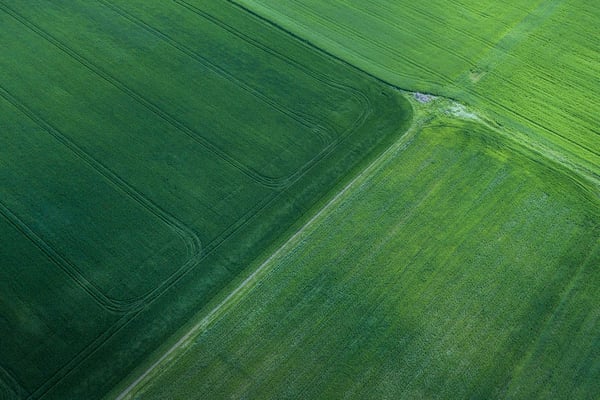
Choosing whole grain reduces climate impact by up to 15 percent
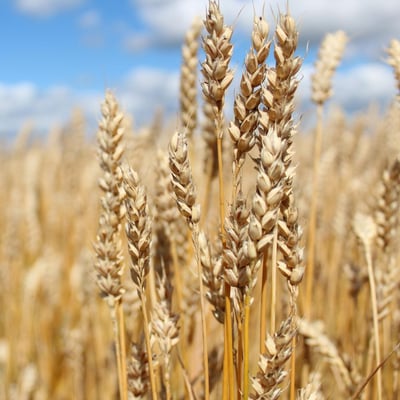
“We have long known that whole grain is beneficial for health, and now we can also demonstrate that it contributes to a more sustainable food system. By using the entire raw material rather than only the inner part of the grain, we reduce climate impact,” says Örjan Petterson, Business Director at Lantmännen Cerealia.
The calculations are based on an industry-wide model for climate accounting, known as monetary allocation, where climate impact is distributed between the main product, flour, and the by-product wheat bran, which has traditionally been used mainly for animal feed or energy. By making better use of the raw material, the result is flour with a lower climate footprint.
“Whole grain has always been seen as a smart way to make full use of the raw material. Now we can also show the tangible difference it makes for the climate. Driven by our own and our customers’ science-based climate targets, we at Cerealia have begun calculating the climate impact more specifically for the flour we produce. “It is clear that choosing whole grains has a significant impact, both on health and on the climate,” says Linnea Heiskala, Sustainability Manager at Lantmännen Cerealia.
A tool for sustainable businesses and climate targets
By increasing the share of whole grain, customers such as bakeries and food manufacturers can reduce the emission factor of their products. Lantmännen Cerealia’s calculations provide an important tool for companies working with science-based climate targets (SBTi), as they enable clear tracking of climate benefits.
“Our customers are asking for transparent and robust data on climate impact. We can now support them in reducing emissions at product level, while also providing a solid foundation for climate reporting and inspiring increased use of whole grain,” says Linnea Heiskala.
A double win
On 14 January, the Fullkornsfrämjandet (Whole Grain Promotion) will launch Whole Grain Day in Sweden for the first time, a day highlighting the health benefits of whole grain. This year, Lantmännen Cerealia also wants to draw attention to the climate benefits.
“This is a win-win. Whole grain is better for both people and the planet. By increasing the use of whole grain, we take another step towards our climate targets and our vision of a viable agriculture in balance with nature,” concludes Örjan Petterson, Business Director at Lantmännen Cerealia.
More information
– The calculations are based on the Swedish industry agreement for climate accounting, using monetary allocation between flour and by-products.
– The climate savings amount to 10–15 percent compared with refined wheat flour.
– Whole Grain Day (in Swedish) takes place on 14 January and aims to increase whole grain consumption in Sweden.
– Lantmännen Cerealia aims to increase the share of whole grain in its products and reduce climate impact throughout the value chain, from field to fork.
För mer information, kontakta gärna:
Lantmännens presstjänst
Tel: 010 556 88 00
E-post: press@lantmannen.com