Lantmännen and industry leaders in Dagens industri: Sweden cannot afford to produce so little food
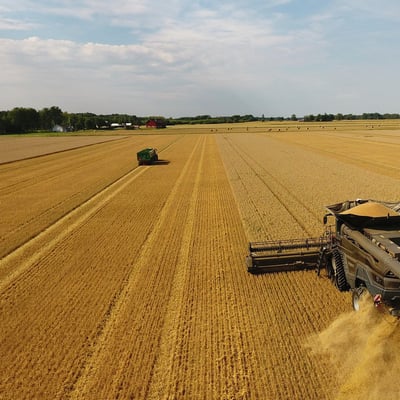
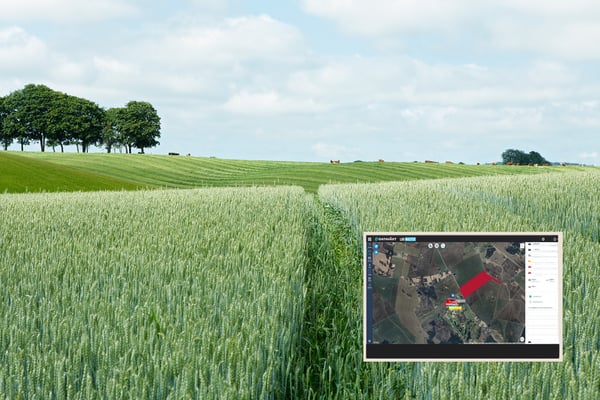
The organizations highlight Sweden’s heavy reliance on food imports and a food trade deficit of SEK 94 billion. This weakens the country’s food preparedness and increases its vulnerability to international crises. At the same time, the industry report Grön uppväxling (Green upscaling) shows that increased Swedish food production could create around 19,000 new jobs.
The signatories call for clear production targets, simpler regulations, increased support for exports and better conditions for investment.
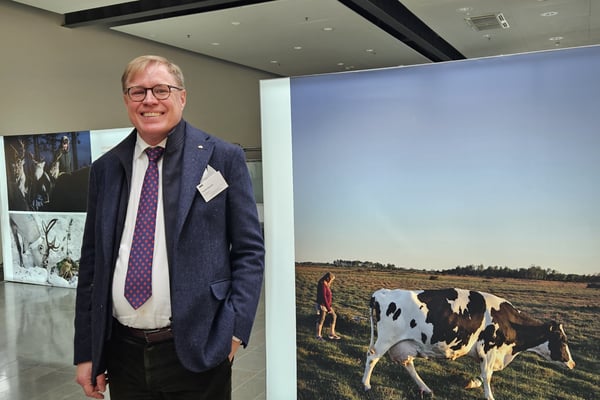
The opinion piece is signed by Per Arfvidsson, Deputy CEO of Lantmännen, together with representatives of Arla Sweden, Livsmedelsföretagen, LRF and Scan Sverige.
Read the full opinion piece below.
Sweden cannot afford to produce so little food
Does Sweden produce enough food to withstand a severe crisis or war? The uncomfortable answer is no. Sweden is one of Europe's largest food importers, and only half of the food we buy is produced domestically. The result is a triple blow to Sweden:
1. A food trade deficit of SEK 94 billion.
2. Greater vulnerability to price increases and international disruptions, weakening Sweden's food preparedness.
3. Greater uncertainty for consumers about food availability, prices and production methods.
Swedish food production is a fundamental industry, generating approximately SEK 300 billion in revenue and employing around 100,000 people across the country.
Swedish farmers and food producers deliver food with low antibiotic use, high animal welfare standards, effective controls throughout the food value chain and one of the lowest levels of pesticide use in Europe.
Profitability in agriculture and the food industry has long been worryingly weak – and was even negative during several years in the 2010s and 2020s. Weak profitability limits opportunities to invest, innovate, increase production and implement climate and environmental measures.
Today, only about half of the food we eat is based on Swedish raw materials. At a time of geopolitical uncertainty and recurring disruptions to major trade flows, dependence on imports is becoming increasingly risky. Sweden should aim to reach Finland's level, where four out of five mouthfuls of food come from domestic production.
At the same time, Swedish food production has enormous potential. The report Grön uppväxling (Green upscaling) – a joint initiative by Arla, Lantmännen, Livsmedelsföretagen, LRF and Scan Sverige – shows that increased Swedish food production could create around 19,000 new jobs, improve the trade balance, strengthen preparedness and generate higher tax revenues. It would also give agriculture and the food industry better opportunities to invest in climate action, biodiversity and animal welfare.
The government's Food Strategy 2.0 has set the direction: Swedish food production is to increase substantially by 2035. Grön uppväxling shows how this can be achieved. Lantmännen and Arla are investing billions of kronor in new Swedish food processing capacity, while Scan Sverige is strengthening its capacity in northern Sweden. These investments create demand for Swedish raw materials and better conditions for farmers to invest and increase production.
Companies operate within the framework set by policymakers. Now policymakers need to do their part.
- Make increased Swedish food production a clear, measurable target in implementing the national food strategy supported by all parties in the Swedish Parliament.
- Remove barriers to increased production by simplifying regulations, making permit processes more efficient and improving conditions for infrastructure and water management. More public authorities, including the Swedish Food Agency, the Swedish Forest Agency, the Swedish Environmental Protection Agency and county administrative boards, should be given clear mandates to simplify regulations and promote the sector's development, with strong requirements for follow-up.
- Invest more in food exports. Swedish raw materials and food products have considerable export potential, but compared with competing countries such as Ireland and Denmark, Sweden invests significantly less public funding in export promotion. In a crisis or war, food normally intended for export could instead be consumed domestically.
- Complement the industry's own climate and environmental investments with public initiatives such as Klimatklivet, Kväveklivet and support for natural grazing land.
- Prioritize EU cooperation. The Common Agricultural Policy must not be dismantled, and Sweden's distinctive growth strategy for the food sector must be taken into account. This is essential for fair competitive conditions, without which Swedish food production cannot grow.
Food that is not produced in normal times cannot simply be conjured up during a crisis or war. With the right conditions, Sweden can produce more nutritious, high-quality food while caring for people, animals and nature. Policymakers must give agriculture and the food industry better opportunities to grow.
Cecilia Kocken, CEO, Arla Sweden
Per Arfvidsson, Deputy CEO, Lantmännen
Björn Hellman, CEO, Livsmedelsföretagen
Mikaela Johnsson, Vice Chair, LRF
Lars Appelqvist, CEO, Scan Sverige
More information
Lantmännen's Press Office
+46 10 556 88 00
press@lantmannen.com